Members only

With a theme of “When Voices Are Missing: The Cost of Overlooking Lived Experience in Mental Health”, this was an event that was more than a gathering. It was an opportunity to listen and imagine what becomes possible when every voice is valued and to celebrate Together’s most deeply held principle – recognising, respecting and learning from lived experience.
Wherever we work alongside people at Together, we work in a way that listens to what people want and need, empowers and enables them to lead their own care and support, to make the choices they want to make and to have control over their own decisions. We call this Service User Leadership, and it comes from a place deep in our roots as a charity from when we came into being 147 years ago.
Henry Hawkins was a chaplain working in one of England’s largest asylums during the Victorian era. At a time when many people were unseen and unheard, he chose to draw close: befriending those in its care, reading with them and writing letters on their behalf. He recognised the profound social injustice faced by people incarcerated because of poverty, disability and mental distress, and understood that lived experience was something to honour and learn from.
Seeing the devastating inequalities, he responded with compassion and humility, bringing the local community together to reach out to people in the asylum, opening pathways for them to live and work as valued members of society.
In a world too often marked by conflict, division and hurt, Henry’s principles of hope, humanity and community continue to light the way in all that we do at Together.
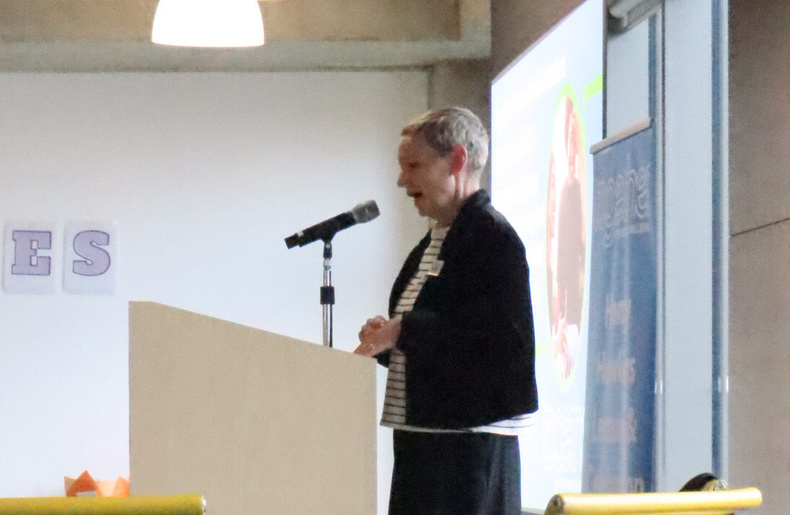
This year’s lecture was completely curated and led by members of Together’s Lived Experience Network (link). Our two keynote speakers, Professor Sir Patrick Vernon, OBE and David Gilbert, explored what is lost when lived experience is excluded from mental health policy, service design and delivery. Both speakers shared personal and honest insights exploring the extraordinary possibilities that emerge when meaningful leadership by people using services is placed at the heart of change. It was encouraging to hear this message strongly reinforced by Sally Warren, Director General of Adult Social Care at the Department of Health and Social Care in a video address she provided.
However, alongside the optimism of learning from people’s lived experiences, we also heard serious concerns that these voices are being lost – partly due to the closure of community and user-led groups, as well as the scale and pace of proposed changes to mental health and social care in this country. We also heard concerns about a reluctance to share power and authority with people who use services and to involve them genuinely in decision-making, rather than simply giving them a seat at the table.
Learning from history, fighting for recognition and justice and having the strength to speak up were themes that both Patrick and David returned to in their presentations. Patrick invited us to reflect on the injustice faced by the Windrush Generation and the failure of our institutions to listen, even when people spoke up time and again. Reflecting on his experiences of being the first Director of Patient Engagement in a NHS Trust, David talked about the importance of creating spaces to challenge assumptions and open up the possibilities of better care and support through meaningful conversations with people receiving services.
There was so much I personally learned from listening to Patrick, David and from people in the room sharing their own experiences. Rather than looking always to our politicians and institutions, we need to grasp our collective agency, recognising that it is ordinary people who hold the true power to shape society and reverse injustice. But the challenge to us all, is that we need to boldly step into that power, to make the case again and again even when we are tired, when resources are limited and when there is human cost. We need to find solidarity and belonging with others, to build trust and mutual support and create meaningful experiences that empower and engage people both inside and outside of the systems that need to change to deliver the care and services people want and need.
Recordings of the lecture and other resources are available on the Together for Mental Wellbeing website