21,000 children the housing system has decided not to see
I've been CEO of Variety, the Children’s Charity for nearly two years now, and I thought I understood the scale of the housing crisis and its impact on children. This week’s coverage of our new research in The Times, The Guardian and The Big Issue highlights a hidden issue that I hadn't understood, and it's been bothering me since I first saw the numbers.
We all know the headlines around the housing crisis. There are 172,000 children in temporary accommodation in England, more than double the figure in 2010. When I found out that 74 children died between 2019 and 2024 with temporary accommodation playing a factor in their deaths and that 58 of them were babies under a year old, my curiosity turned to alarm.
I asked a question, for which I couldn’t find an answer; how many disabled children are living in temporary accommodation?
Nobody knew and there was no data accessible anywhere. So, I recruited an amazing research volunteer Holly Williams, an MSc student from LSE to find out. Holly sent Freedom of Information requests to all 296 local authorities in England requesting their housing data.
The most damning thing happened before we'd counted anyone. A large number of councils wrote back to say they simply don't record whether a child in temporary accommodation is disabled.
That's where the report's title, “We are invisible”, comes from. Children in these circumstances aren't invisible as a turn of phrase. They're invisible in the records, which means they're invisible in policy, in funding, in planning. You can't allocate resources to those you've decided not to count.
From the 122 councils that did give us figures, we found 6,476 disabled children were living in temporary accommodation. Project that nationally using statistical forecasting and you get 21,000 children, one in eight of all the children living in these circumstances.
More than two-thirds of the families we could trace are in the worst of it: nightly-paid rooms, hostels, B&Bs. No kitchen. No lift. No room to turn a wheelchair around. One child had been in temporary accommodation for six years and three months.
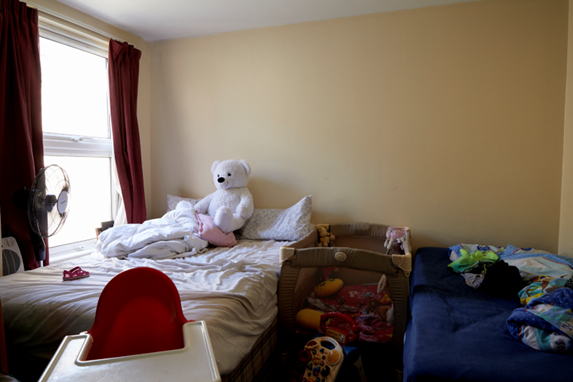
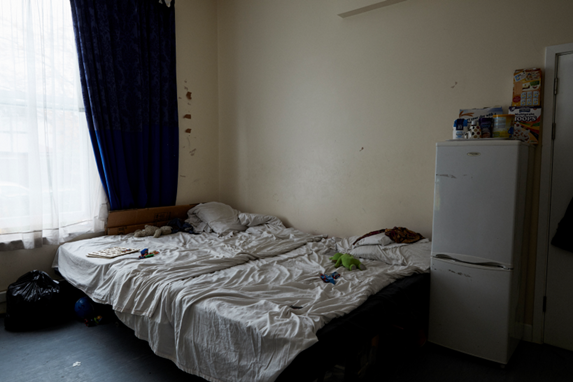
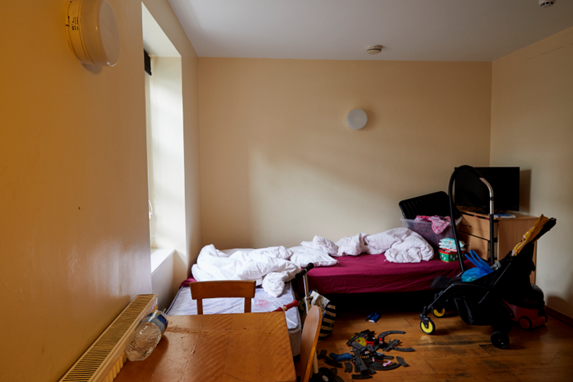
I keep thinking about one of the mothers we spoke to. Georgia carries her eight-year-old son, who uses a wheelchair, up and down two flights of stairs every single day because there's no lift. "I'm worried about my son's safety," she told us, "because there are no lifts or ramps."
Putting a disabled child in conditions like these has a serious and detrimental impact on their health, education and life outcomes. It also breaches Article 23 of the UN Convention on the Rights of the Child.
None of it is inevitable.
We're asking for five things: stop placing any disabled child in emergency accommodation, regulate the quality and accessibility of the accommodation they're given, lift the Benefit Cap and uprate Local Housing Allowance for these families, cap how long they can stay and make councils record this data as a matter of law.
The first thing we owe children though is simply to see them.
https://www.bigissue.com/news/housing/disabled-children-homeless-temporary-accommodation/
Read the full report ‘“We are invisible”: children with disabilities in temporary accommodation’ here: