After 22 reviews in as many years, nobody in social care needs another promise. We need a settlement.
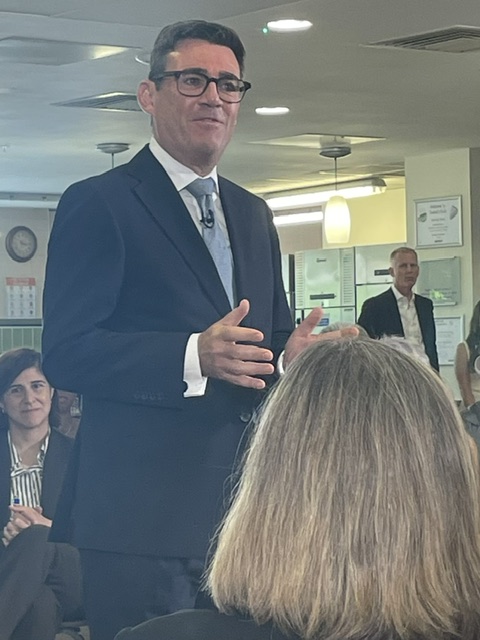
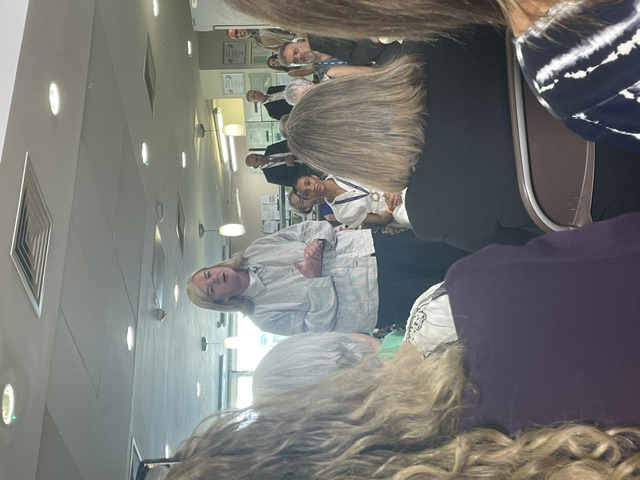
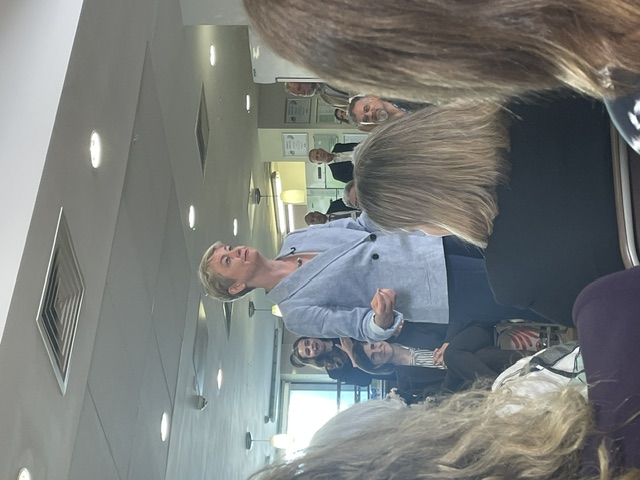
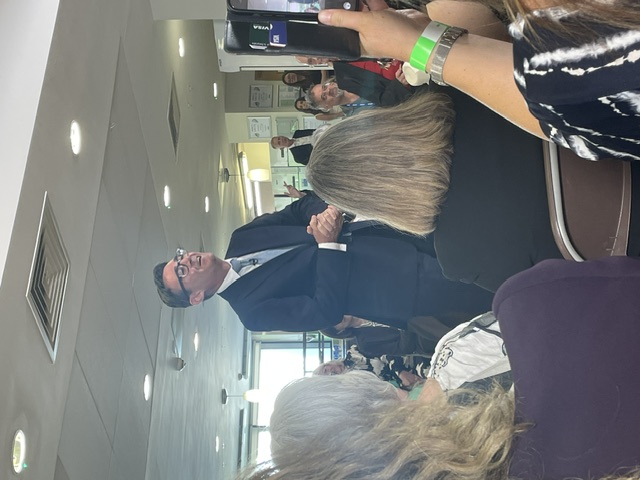
Last week, sitting in the room for the launch of the Big Conversation on Care in North London, I felt something unfamiliar: cautious hope. Prime Minister Andy Burnham brought political urgency and a commitment to end decades of drift and along with Yvette Cooper, Secretary of State for Health and Social Care, made clear that a broken system is failing older and disabled people, unpaid carers, families and communities. And Baroness Louise Casey set the challenge: England cannot build a fair, sustainable care system without confronting the hard questions—who care is for, what families and communities can reasonably provide, what the state must guarantee, and how we pay for it.
That is why the distinction between a conversation and a consultation matters. Consultation too often means reacting to a proposal already formed. Conversation means sharing power before the answers are fixed. It means listening not only to the loudest voices but actively creating the conditions for people who draw on support to shape the choices ahead.
Working-age disabled people cannot be an afterthought
For CEOs of voluntary-sector disability organisations, the test is clear. Will this national debate recognise social care as far more than support in later life? People with learning disabilities, autistic people, people with mental health needs and people with physical disabilities must be visible from the outset—not added as a footnote once the main decisions have been made.
Care is not simply about keeping people safe or completing tasks. At its best, it enables citizenship: a home, relationships, work, purpose, control and belonging. If reform is judged only by hours delivered, hospital discharge or short-term cost, it will fail the people it exists to support. Success must mean people living good lives, exercising their rights and participating fully in their communities.
Value the workforce—or accept a system that cannot deliver
There was welcome recognition of the workforce. But praise is not a workforce strategy. Support workers, Shared Lives carers and colleagues across social care bring judgement, skill and humanity to complex roles every day. Reform must translate recognition into better pay, clear career pathways, professional development and sustained investment.
We must also protect one of social care’s greatest strengths: a diverse workforce that reflects the people and communities it serves. Without talented, properly valued people, every other ambition is rhetoric.
Funding and commissioning must reward the outcomes we say we want
Providers cannot keep doing more with less while demand rises and needs become more complex. Short-term contracts, price-led procurement and task-and-time commissioning weaken relationships, suppress innovation and push organisations into survival mode. A sustainable settlement must fund the true cost of high-quality support and give providers room to invest, plan and improve.
For voluntary-sector leaders, this is not a moment to wait politely for an invitation. We hold deep operational expertise. We see where systems obstruct people’s lives and where brave, person-led support unlocks possibility. We can convene people who draw on support, families, frontline colleagues and communities—and ensure their evidence reaches the centre of the debate.
Our Leadership Challenge
We should make three commitments now:
-
Shift power: involve people who draw on support in setting our positions, not simply endorsing them.
-
Speak with one voice: be uncompromising that working-age disabled people belong at the heart of reform.
-
Bring solutions: pair principled ambition with practical proposals on workforce, funding, commissioning and accountability.
As Chief Executive of Certitude, and a long-standing member of VODG, I know our sector stands ready. But readiness must now become action. We need to open our organisations to this conversation, gather evidence, amplify lived experience and challenge any reform that treats disabled people as passive recipients rather than equal citizens.
This could finally be social care’s moment. But moments pass unless leaders seize them. Our task now is to turn political attention into sustained action, a national conversation into a lasting settlement, and that settlement into better lives for disabled people. The opportunity is here. Let us seize it—together.
You may also be interested in








Members only

Members only