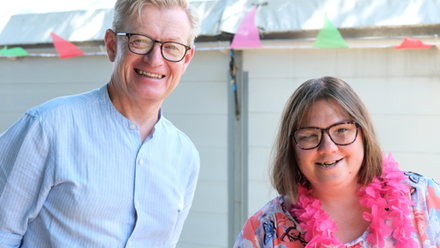
It’s not controversial to say that care and support leadership belongs on the frontline. But do we as leaders really know what goes on at 'grass roots' level in our organisations?
I believe it’s our job to stay close to the lives of the adults with learning disabilities and autistic people our organisations support.
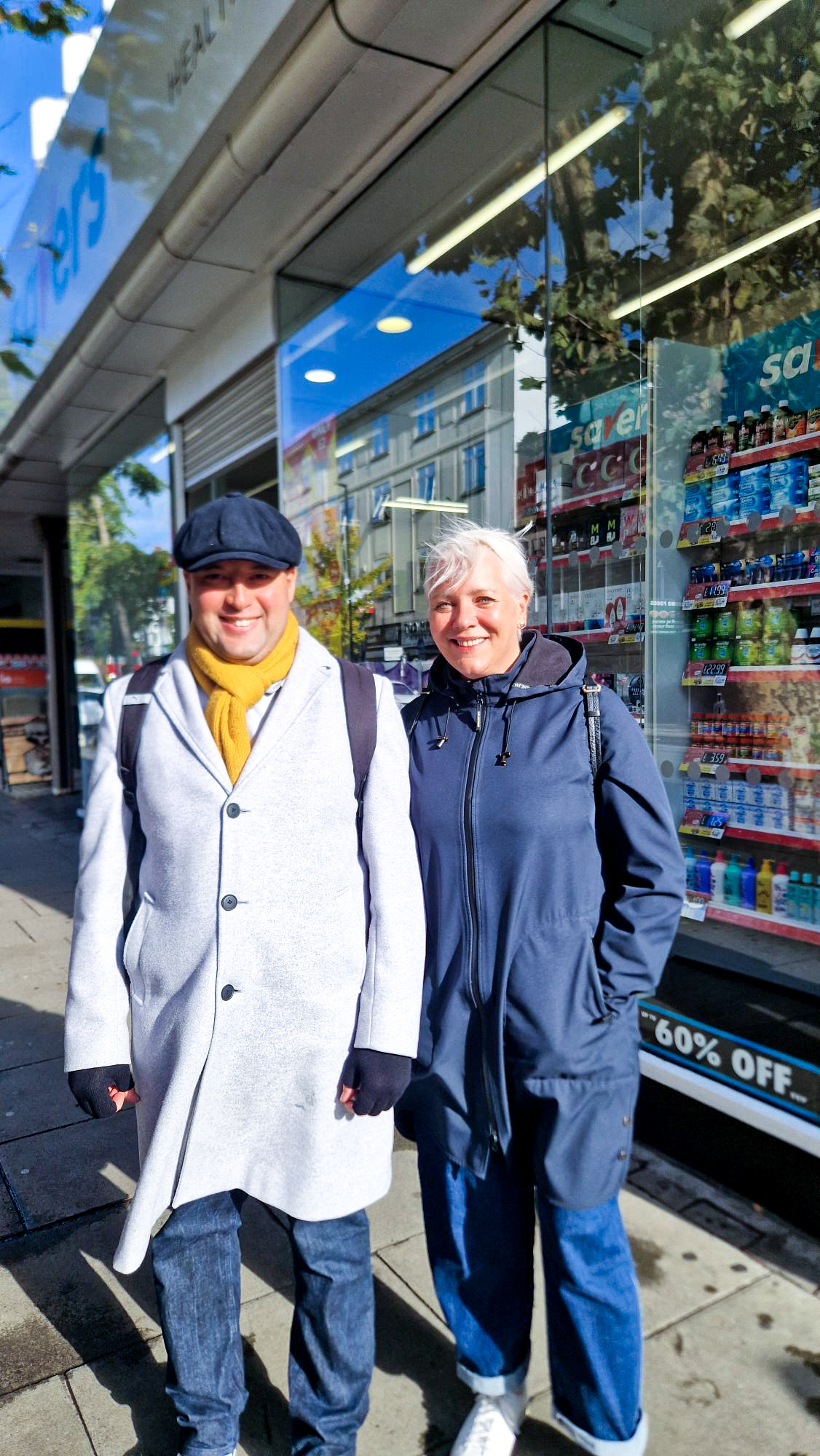
That’s why for the past three years, I’ve worked a week as a support worker in supported living homes in London. Last October, I returned to the same homes because Vivek, who I had previously supported, asked me to work with him again.
During the week, I supported both Vivek and Alex. With Vivek we took buses across town while he volunteered at a food bank and a charity shop. We packed food, sorted donations, and ended one day dancing to Romanian music in his living room.
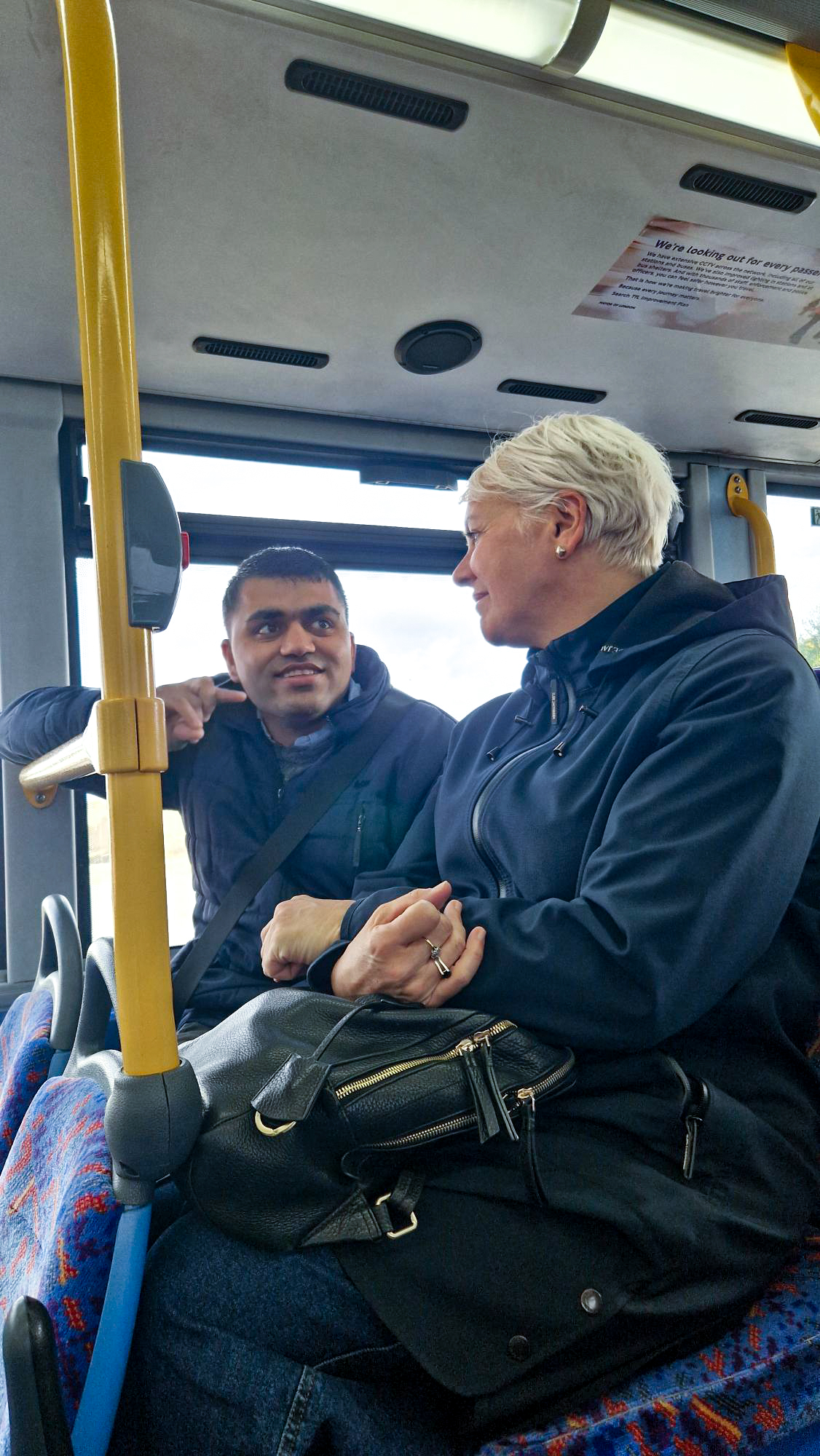
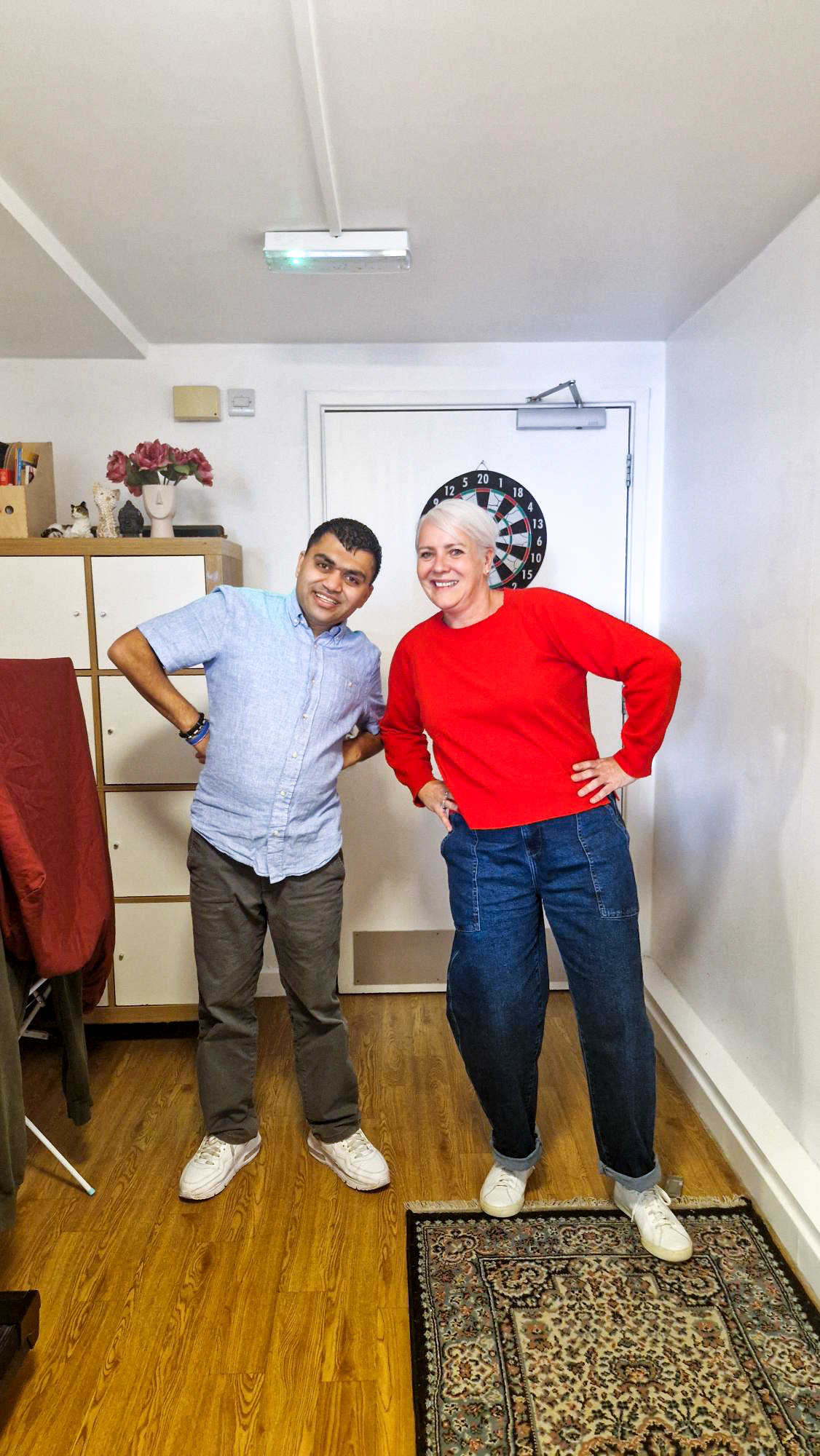
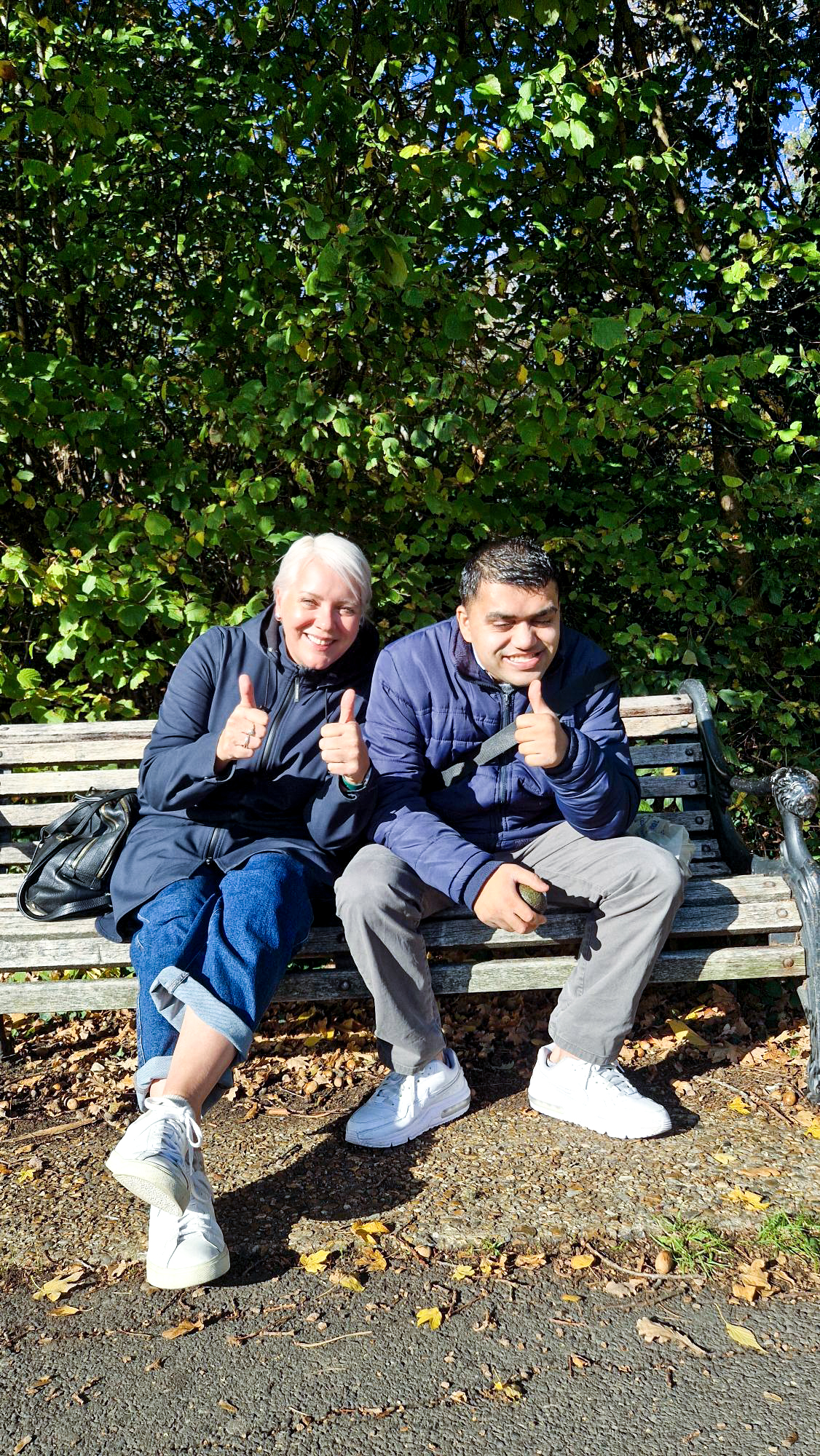
Alex, who I then supported, has a completely different but equally busy life. My days with Alex involved a trip to the barbers, shopping in Aldi, and swimming (twice), with coffee and cake at Costa squeezed in too.


Each year has taught me something new. I’d like to share three insights:
- Spend time as a support worker
However challenging it is to get away from other responsibilities, spend time doing your organisation's most essential work - directly supporting people.
During my week this year, one of my shifts was almost 13 hours long, and I was worried I might struggle! Yet I know many colleagues work long days, so it was important to experience this for myself.
When I first began spending a week as a support worker, I intended to work in different regions each year. But I realised that to experience the role properly, it made more sense to work closer to home, as most support workers do.
- Long shifts can work, if they’re designed well
I had wondered about the impact of long days on colleagues’ wellbeing and on the quality of support. Yet the shift flew by - because the work was varied and purposeful.
For Vivek, having the same support worker with him all day meant he didn’t have to cut short what he was doing because of a colleague handover. Of course, Vivek’s life comes first, not our rota!
Longer days can also mean fewer working days across the week. At Dimensions, we have an hours-of-work pledge: we shouldn’t have to sacrifice our families, friends, or interests for work. Carefully planned long shifts, where appropriate, with proper rest days in between, can help make that possible.
Equally, long days will not suit everyone, so individual choice and flexibility matter. Shift patterns should be part of person-centred support, co-designed so they work for everyone.
- Volunteering is not second best
Volunteering is often described as a stepping stone to paid work. Yet my week with Vivek challenged my narrative on this.
At the food bank and charity shop, everyone around Vivek was a volunteer. People worked as equals. Vivek was part of that community, and that was just as valuable as any paid job.
At the food bank where Vivek volunteers, hundreds of people who need help are fed every week. Paid work and volunteering both matter. What’s key is that we don’t talk about volunteering as though it is second best.
Find out for yourself
While I believe every social care leader should spend time working as a support worker, I'm not sure everyone manages to find the time. All of us should take the chance to see - up close - the rich and varied lives of people like Vivek, Alex, and so many others our organisations support.
I guarantee that spending time as a support worker will change how you see things, and potentially how you lead. I'd encourage every CEO reading this to carve out a week to work on the rota in the same place, early, late shifts and weekends. You might think you can't afford the time. The real question is, can you afford not to? My next support worker week is already in my diary.
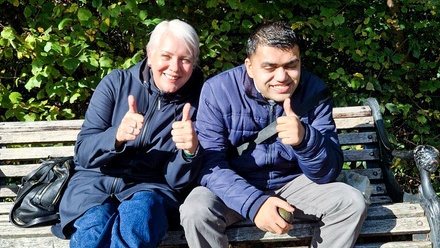
Rachael Dodgson, Chief Executive
Rachael Dodgson is the Chief Executive of Dimensions, the UK’s largest not-for-profit support provider for adults with learning disabilities and autistic people.*
With three decades of experience in care and support, Rachael currently leads 7,000 colleagues supporting 3,000 people across England and Wales.
Notes:
*Size of Dimensions’ market share by revenue, according to LaingBuisson’s Adult Specialist Care UK Market Report, Seventh Edition, 2025, page 158.